Where does the ROI of occupancy monitoring come from?
ROI (Return on Investment) shows the financial return of an investment compared to its costs. For occupancy monitoring, this mainly comes from the savings organisations can achieve by using their office space more efficiently.
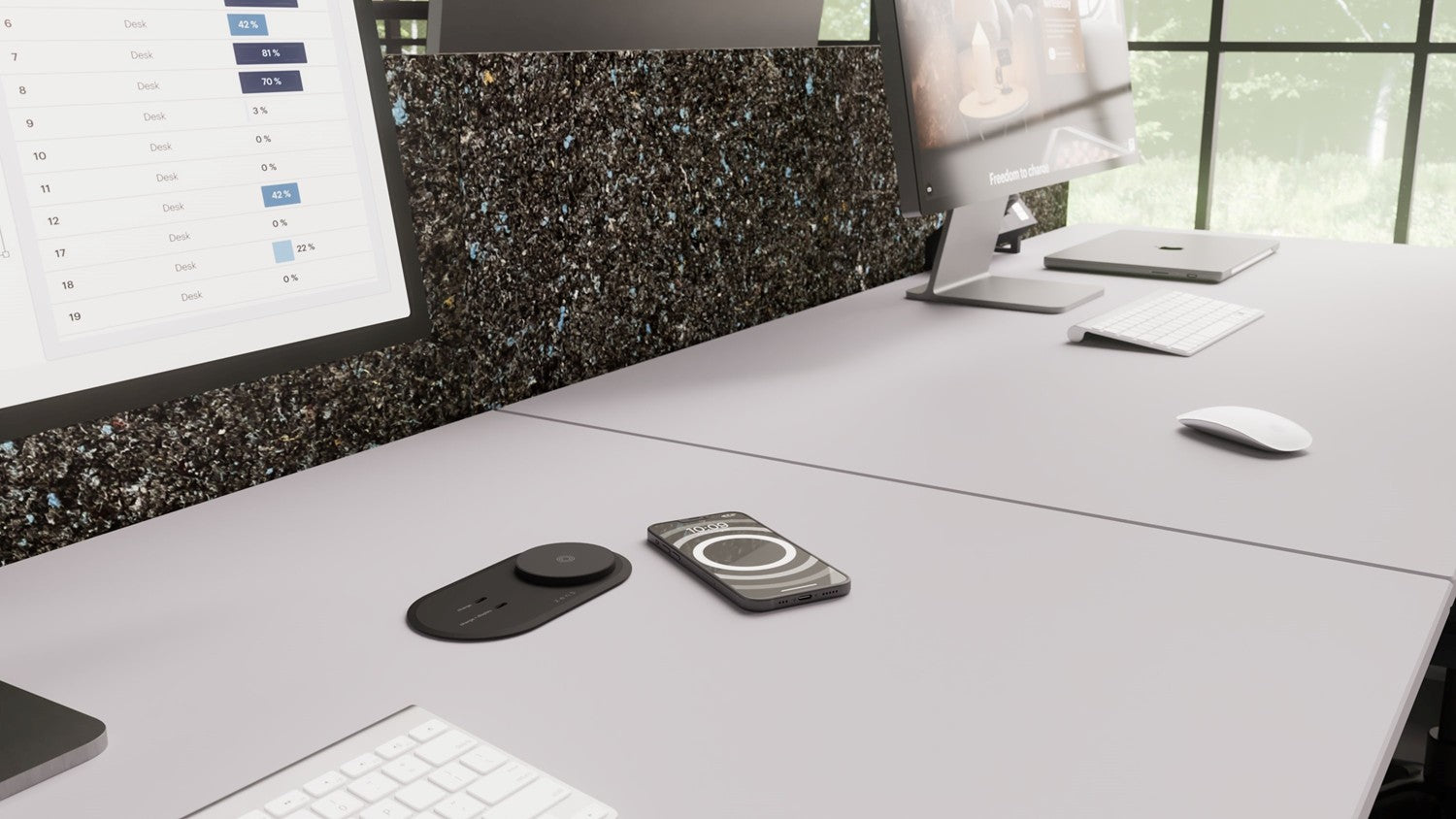
With sensors and a workspace management system, organisations can see which desks and spaces are being used. This data helps facility managers make decisions based on facts rather than assumptions.
The financial benefits mainly come from five areas: office space, cleaning, energy consumption, better space utilization, and catering and food waste management.
1. Reduce office space costs
Office space is a major expense for many organisations. However, it is not always clear how much space is actually needed.
Imagine an office with 100 desks, but only 40 are used even on the busiest days. In this case, it may be worth reviewing whether the current office space still meets the organisation's needs.
Occupancy data makes these patterns visible. Organisations can then decide whether to change their office layout, combine workspaces, or reduce the number of square meters they need in the future.
Reducing office space can lead to lower rent and service costs. These insights can be especially valuable when renewing lease agreements or redesigning offices.
2. Lower cleaning costs
In many offices, workspaces are cleaned according to a fixed schedule, whether they have been used or not.
With workspace occupancy data, cleaning schedules can be adjusted based on actual usage. Busy areas receive the attention they need, while unused workspaces may require less frequent cleaning.
This helps organisations use cleaning resources more efficiently and avoid unnecessary costs without reducing the quality of the workspace.
3. Optimize energy consumption
Office energy consumption is also connected to occupancy. Lighting, heating, cooling, and ventilation often continue running in spaces where nobody is present.
Occupancy data helps organisations identify areas that are regularly underused.
When this information is connected to compatible building management systems, energy use can be adjusted to actual occupancy levels.
This can help reduce energy costs and support a smaller environmental footprint.
4. Get more value from existing workspaces
Not every improvement needs to result in fewer square meters. Sometimes, the biggest opportunity is simply using existing space more effectively.
For example, meeting rooms may be fully booked while individual desks remain empty. Or certain departments may be much busier on specific days.
By identifying these patterns, organisations can adjust their office layout to match how employees actually work.
This helps avoid unnecessary investments in additional workspaces and makes better use of the available space.
5. Reduce catering costs and food waste
Office occupancy also affects catering needs. When fewer employees are in the office than expected, food and drinks may go unused, leading to unnecessary costs and waste.
Occupancy data helps organisations better understand how many people typically use the office on different days. These insights can support more accurate catering planning, helping teams adjust food orders and supplies to expected demand.
This can reduce catering costs, limit food waste, and support a more sustainable workspace.
How do you calculate the ROI of workspace occupancy monitoring?
To calculate ROI, you compare the total savings with the cost of the system.
The basic formula is:
ROI (%) = (Total savings - Total investment) / Total investment × 100
For example, imagine an organisation invests €20,000 in an occupancy monitoring system and achieves €30,000 in measurable savings during the first year.
In this case, the first-year ROI is 50%.
Savings from more efficient catering and reduced food waste can also be included in the ROI calculation, provided they can be measured.
A complete ROI calculation should also include installation, software, maintenance, and any office adjustments. In addition, not every benefit can be measured directly in financial terms. A better workspace experience or less time spent searching for an available desk can also add value.