Hybrid working has made office use less predictable. On some days, certain zones are full, while other parts of the building are barely used. Meeting rooms are booked but not always occupied. Meanwhile, cleaning, energy use and other facility services are often still organised around fixed schedules.

For Facility Managers and Workplace Managers, this makes planning more complex. How do you determine how many workstations you really need? Which spaces should serve a different purpose? And where are the opportunities to align costs and capacity more effectively?


Occupancy data helps make this visible. Not by simply collecting more data, but by showing how the workspace is actually being used. This creates a stronger foundation for decisions around space, services and real estate.

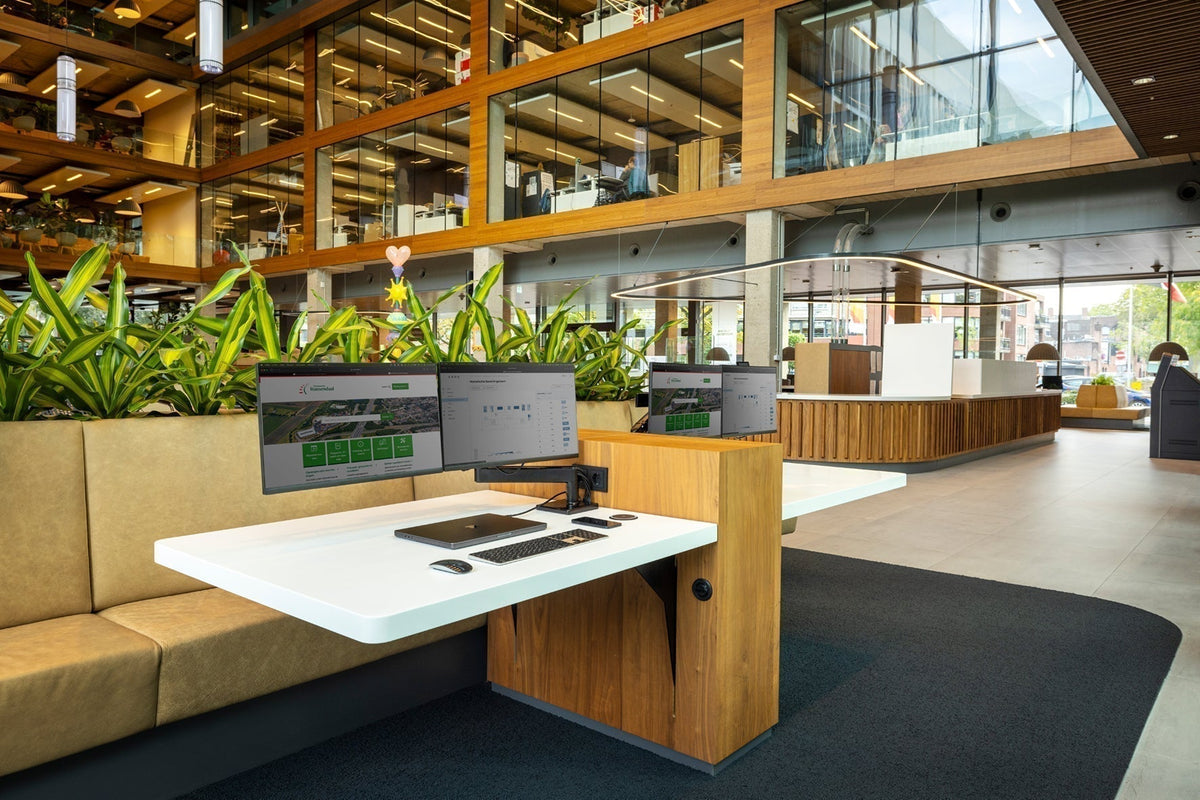
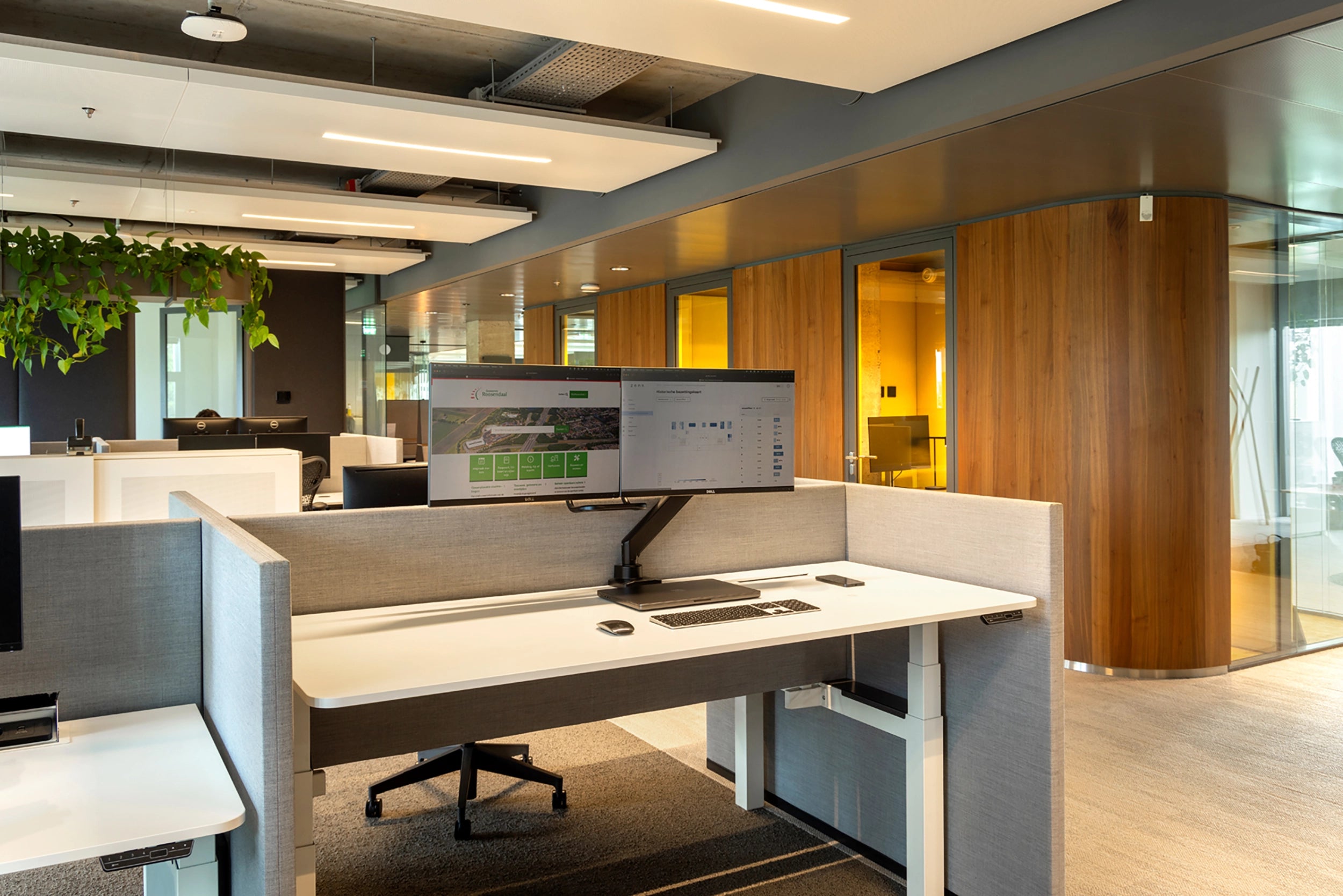
With Zens Desk Management Sytem, workspace use can be measured automatically from the workspaces itself. The Smart PuK combines wireless charging with occupancy measurement, without requiring employees to check in separately or take any additional action.


From insight to action

The value of occupancy data is not in the measurement itself, but in what you do with it. Here are seven practical ways to turn those insights into action.

1. Understand how many workspaces you really need

The number of employees says less and less about the number of workspaces required. Occupancy data shows actual utilisation, when peak periods occur and how much capacity remains structurally unused.

This gives you a clearer picture of whether your current number of workspaces still matches actual demand.

2. Adapt spaces to actual use

Not every zone is used equally. By looking at occupancy by floor, zone or workspaces type, you can see where demand is highest.

These insights can help determine the right balance between open workspaces, focus areas and collaboration spaces. Underused areas can then be repurposed to better reflect what employees actually need.

3. Plan cleaning more efficiently

Cleaning often follows fixed schedules, even though not every part of the office is used equally every day.

Occupancy data shows which zones have actually been used. This allows cleaning to be planned more precisely and resources to be allocated according to actual demand.

4. Better align energy use with occupancy

If certain parts of the building are consistently underused, it makes sense to look at their energy use as well.

Occupancy patterns can support decisions around lighting, heating, cooling and the use of entire floors. This helps align building operations more closely with how the office is actually being used.

5. Make meeting rooms better match demand

Booking data shows which rooms have been reserved. Occupancy data shows which rooms have actually been used.

Looking at both provides a clearer picture of real demand. This can help you optimise the mix of large and small meeting rooms, focus spaces and other collaboration areas.

6. Make better use of available capacity

An office can feel busy while there is still plenty of capacity available elsewhere in the building.

Real-time occupancy information can show where space is still available. This helps employees find a suitable workspace faster and allows organisations to make better use of existing capacity.

Within Zens' connected workspace approach, technology works in the background to remove friction from the workday, rather than adding extra steps.

7. Make more informed real estate decisions

Over time, occupancy data can also support broader real estate and workspace planning.

Which parts of the office are consistently used? Where is capacity left unused? And what does occupancy look like on peak days?

Tracking these patterns over time provides a stronger basis for decisions around reconfiguration, consolidation or reducing office space.

One source of data, multiple applications

The value of occupancy data goes beyond simply knowing whether a workstation is occupied. The same insights can help optimise space, organise facility services more efficiently and support better-informed real estate decisions.

The key is not to measure more, but to start with the question you want to answer. That turns occupancy data from a goal in itself into a practical tool for creating a workspace that better reflects how people actually work.


Ready to turn occupancy data into better workspace decisions?

Discover how Zens Desk Management System gives you real-time insight into workspaces usage, helping you optimise space, services and capacity based on how your office is actually used.

Contact us